Villa Thailand: Your Guide to Finding the Perfect Stay
·6 min read
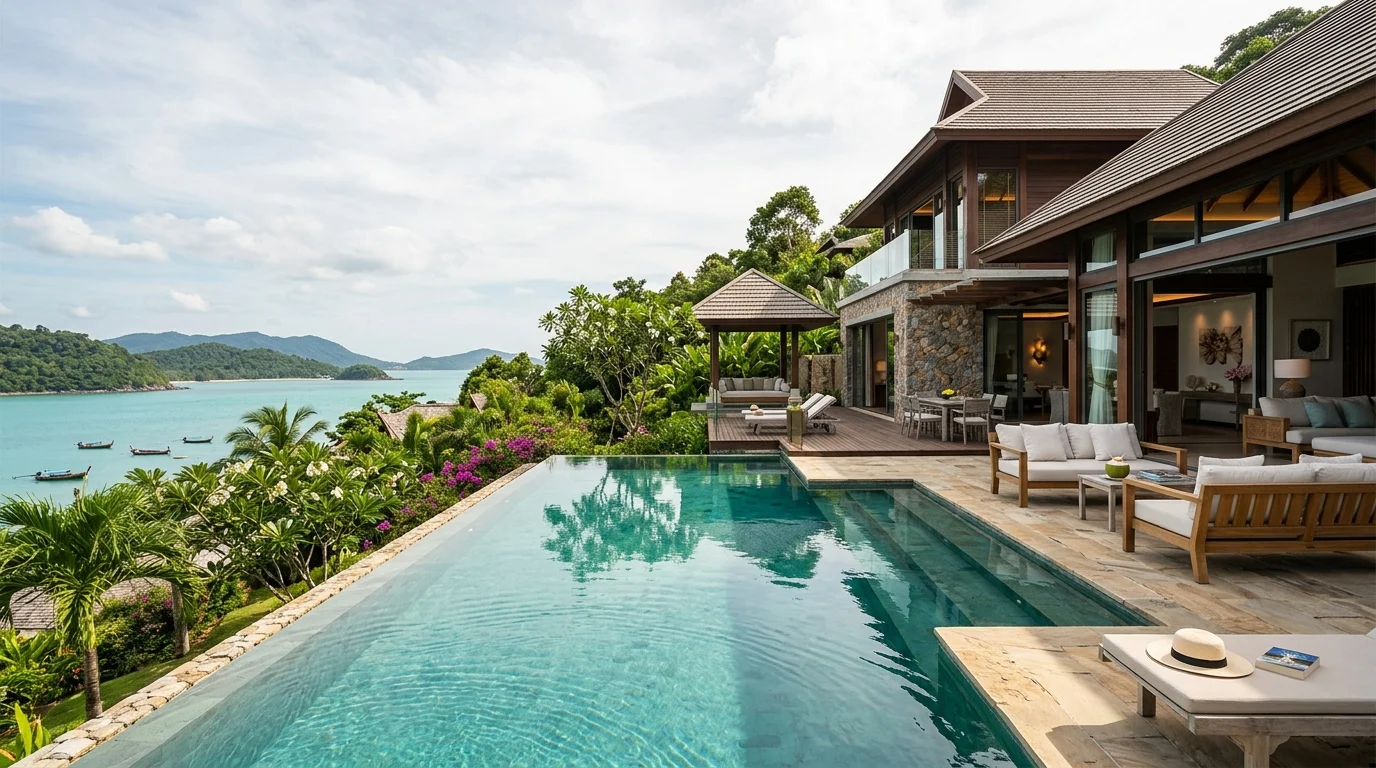
Renting a villa in Thailand is one of the most rewarding ways to experience the country, whether you are travelling as a family, a group of friends, or a couple looking for something more private than a hotel. This guide walks you through the main regions where villa rentals are popular, what each one feels like on the ground, how to get there, and how to figure out which suits your trip best. Think of it as the honest conversation you would have with a well-travelled friend before you book.
What does renting a villa in Thailand actually involve?
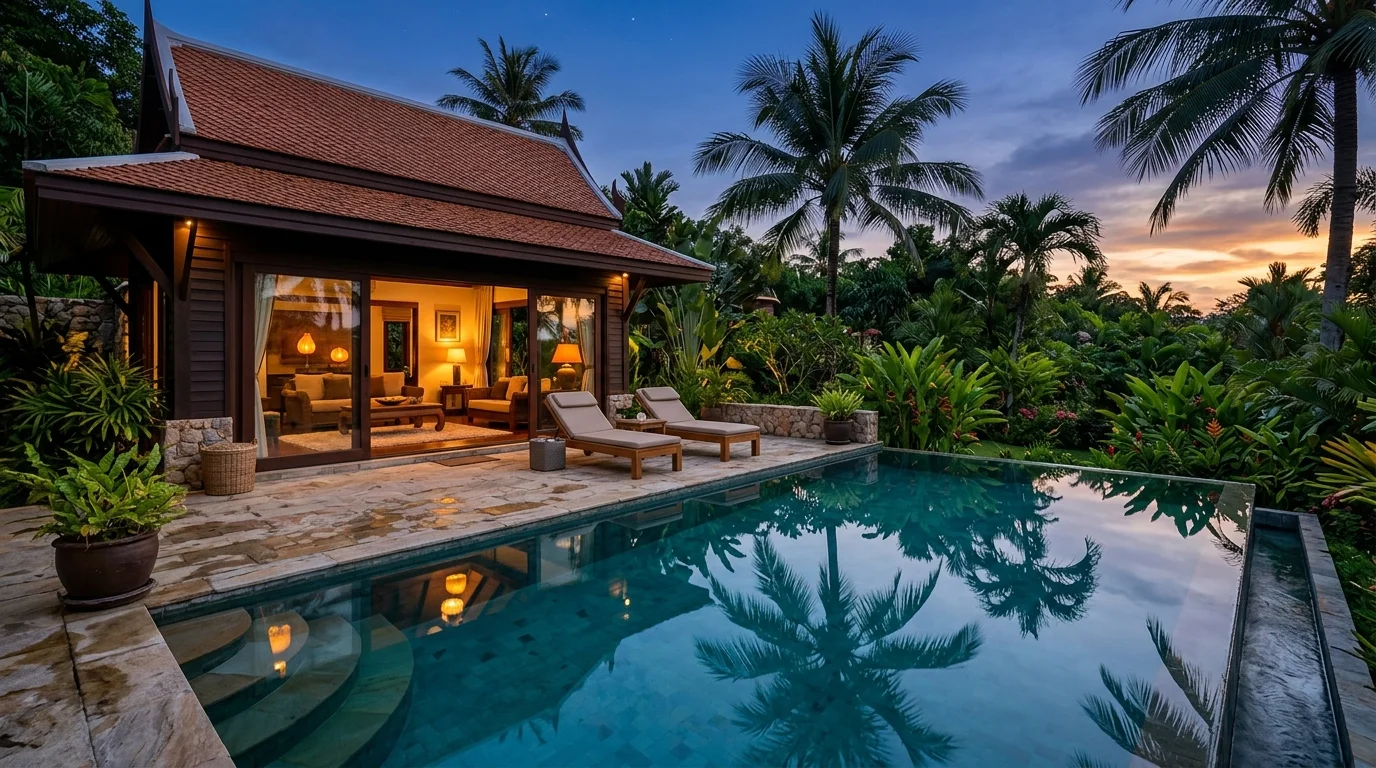
Renting a villa in Thailand typically means booking an entire private property, not just a room, so your group has exclusive use of the pool, garden, kitchen, and living spaces for the duration of your stay. Most villas come with a housekeeper or caretaker on site, and many include a private pool as standard. This is a very different experience from a hotel: you set your own schedule, you can cook or arrange a private chef, and there is no lobby crowd or shared facilities to navigate.
The range of properties across Thailand is genuinely wide. At one end you have simple tropical homes near the beach with an open-air kitchen and a plunge pool. At the other end there are architect-designed hillside retreats with infinity pools, home theatres, and staff teams. The common thread is privacy and space, which is why villa stays tend to suit families with young children, groups celebrating a special occasion, or anyone who wants a real base rather than just a bed.
Which regions in Thailand are best for a villa holiday?
The most popular regions for villa holidays in Thailand are Phuket, Koh Samui, Koh Lanta, Hua Hin, Chiang Mai, and the Khao Yai area north of Bangkok, each with a distinct character. Phuket is the largest island and the most developed, with a wide spread of villas from Surin Beach in the northwest to Cape Panwa in the southeast. It suits first-time visitors who want reliable infrastructure alongside beach life. Koh Samui is smaller and easier to navigate, with a more relaxed pace, and it tends to attract couples and families who want good restaurants within easy reach of their villa.
Koh Lanta in Krabi province is quieter and less commercialised, making it a good fit for travellers who want long, uncrowded beaches and a slower rhythm. Hua Hin, about three hours south of Bangkok by road, is a coastal town that has been popular with Thai royalty and Bangkok weekenders for decades. It is notably calmer than the island destinations and suits those who prefer a more low-key seaside atmosphere. Chiang Mai in the north is the go-to for cultural travellers and those who want cooler temperatures, jungle surroundings, and access to hill tribe villages and elephant sanctuaries. Khao Yai, a UNESCO-listed national park, has become a genuine weekend escape for Bangkok residents and international visitors alike, with vineyard stays and forest villas making it feel completely unlike the beach destinations.
Choosing between them really comes down to what kind of trip you want. If beach and nightlife are the priority, Phuket or Samui make sense. If you want nature, cooler air, and cultural depth, Chiang Mai or Khao Yai reward the slightly longer journey. If you want somewhere that is easy to reach from Bangkok for a short break without flying, Hua Hin or Khao Yai are hard to beat.
How do you get to the main villa destinations in Thailand?
Getting to Thailand's main villa destinations is straightforward from Bangkok, which is the main international entry point for most visitors. Phuket has its own international airport with direct flights from many Asian hubs and some European cities, so you can fly in without a Bangkok stopover. Koh Samui also has its own airport, though flights there tend to be more expensive because the airport is privately operated. From Bangkok, both destinations are about one and a half hours by air.
For Koh Lanta, the usual route is to fly into Krabi Airport and then take a combination of road and ferry transfer, which takes roughly two hours in total. Chiang Mai is served by its own international airport and is about an hour's flight from Bangkok, or around twelve hours by overnight train if you enjoy the journey. Hua Hin and Khao Yai are both reachable by road from Bangkok, typically in two to three hours depending on traffic, making them natural choices for villa rentals if you are already based in the capital or arriving by car.
What should you look for when choosing a villa in Thailand?
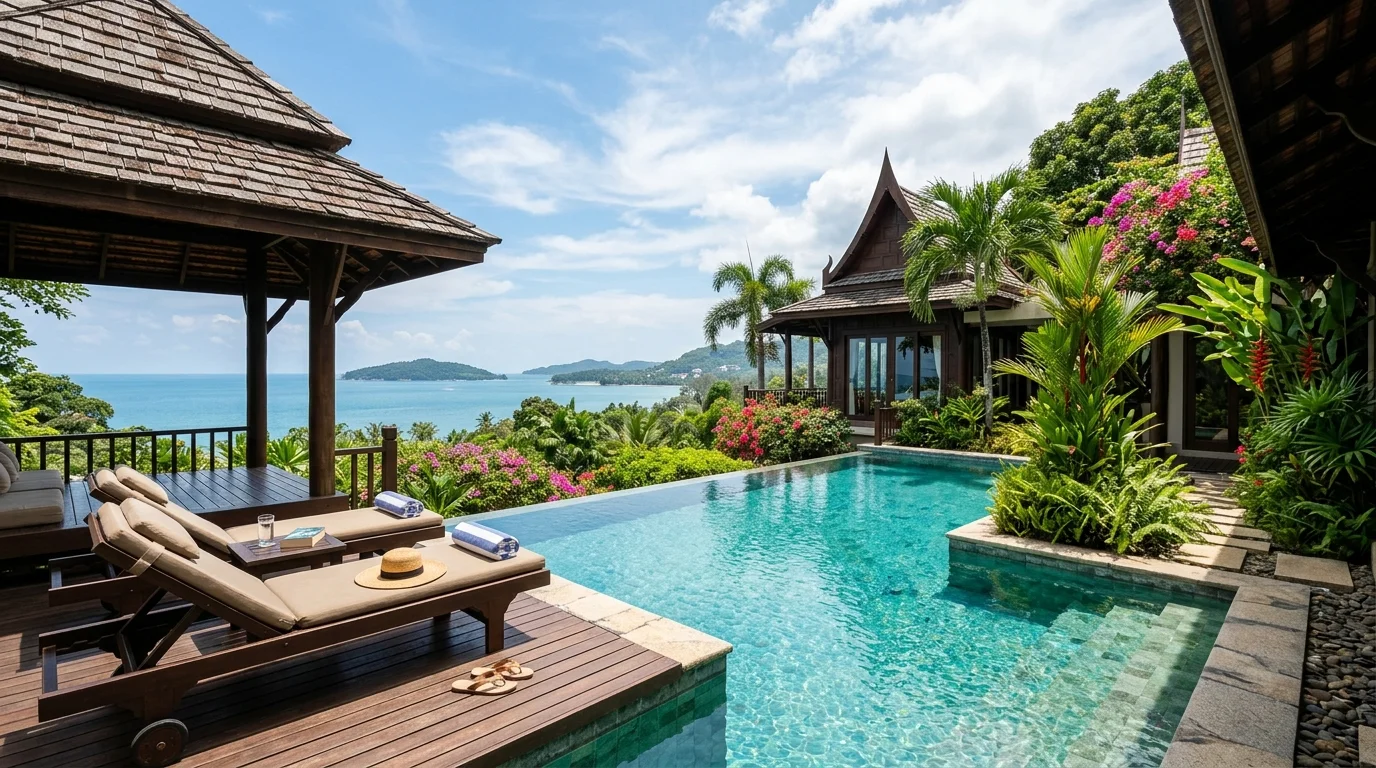
The most important things to check when choosing a villa in Thailand are the location relative to what you actually want to do, the number of bedrooms against your group size, and the specific amenities listed rather than the general description. A villa described as 'beachfront' can mean direct sand access or it can mean a sea view from a hillside, so always look at the photos carefully and ask the owner directly if you are not sure. Similarly, 'pool villa' is standard in Thailand, but pool size varies enormously, from a compact plunge pool to a twenty-metre lap pool.
Think about how much staff support you want. Some villas include daily housekeeping and a cook who can prepare Thai breakfasts or full meals on request. Others are self-catering with minimal service. If you are travelling with young children, check whether the pool has a shallow end or safety features, and whether the property is fenced. If you plan to explore rather than stay in, check how far the villa is from the nearest town or beach, and whether you will need to hire a car or scooter, which is very common and easy to arrange in most Thai destinations.
When is the best time of year to book a villa holiday in Thailand?
The best time to visit Thailand for a villa holiday depends heavily on which region you are going to, because the country's two coasts have opposite monsoon seasons. The Gulf of Thailand coast, which includes Koh Samui and Hua Hin, gets its heavy rain between October and December. The Andaman Sea coast, covering Phuket, Krabi, and Koh Lanta, is wettest from May to October. This means that if you are flexible on destination, you can almost always find a region with good weather regardless of when you travel.
The peak season for most beach destinations runs from November through April, when the weather is at its most reliable and the sea is calmest. This is also when demand for villas is highest, so planning ahead matters. The shoulder months on either side of peak season, such as May in Phuket or September in Samui, can offer excellent value and quieter beaches, with the trade-off being a higher chance of rain on some days. Chiang Mai has its own rhythm: the cool season from November to February is genuinely pleasant, while March and April bring smoke from agricultural burning in the north, which some visitors find uncomfortable.
Who is a villa holiday in Thailand best suited for?
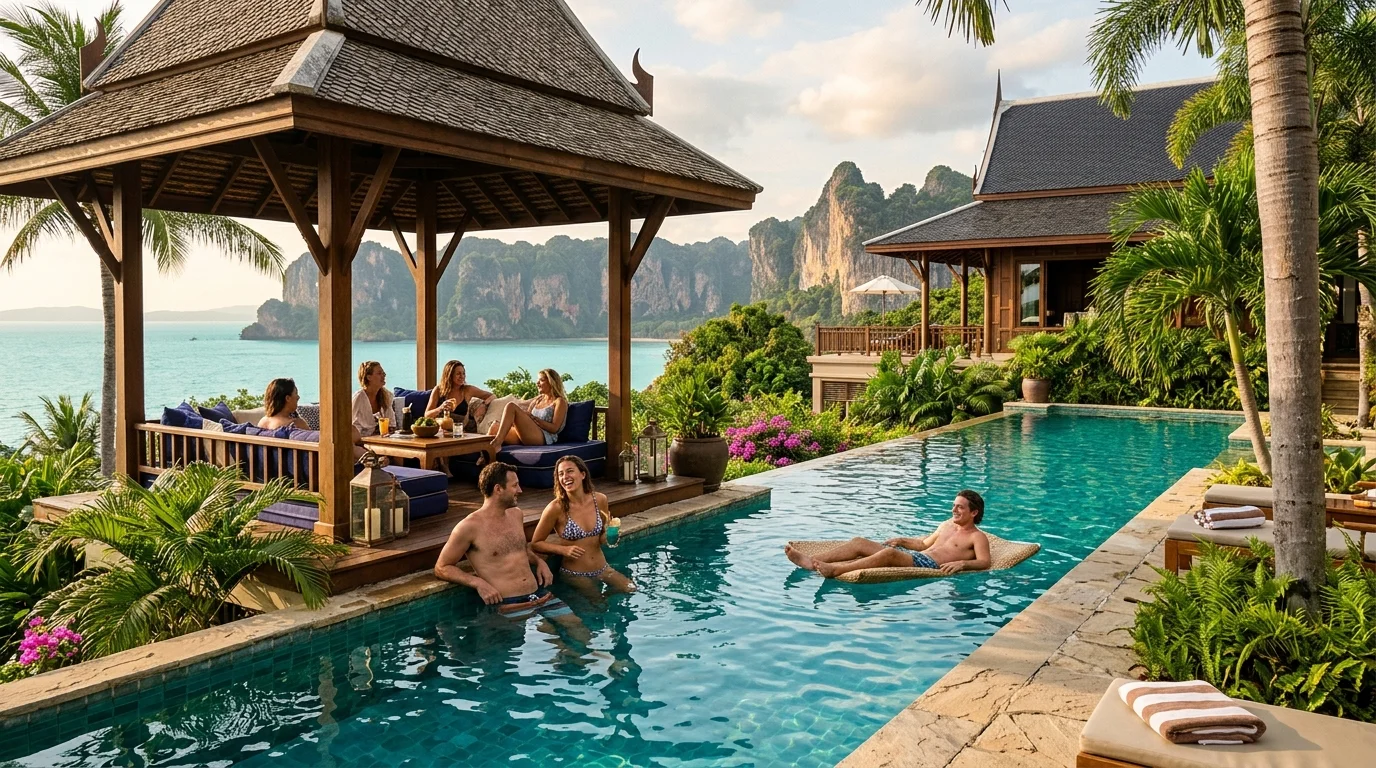
A villa holiday in Thailand works well for almost any type of traveller, but it is particularly well suited to families with children, groups of friends sharing costs, and couples celebrating anniversaries or honeymoons who want real seclusion. Families benefit from having a private pool, a kitchen for early breakfasts or snacks for young children, and enough space for everyone to spread out. Groups find that splitting the cost of a multi-bedroom villa often works out more economical than booking several hotel rooms, and the shared living space makes the stay feel social rather than just a place to sleep.
Solo travellers and couples on a short trip sometimes find that the minimum night requirements at many villas make them better suited to longer stays, typically four nights or more. If you are travelling solo, a smaller villa or a property with a resident manager can feel more comfortable than a large empty house. For digital nomads and remote workers, villas with reliable Wi-Fi and a shaded outdoor workspace have become genuinely popular, especially in Chiang Mai and Phuket, where the infrastructure for longer stays is well developed.
If any of the destinations or villa types in this guide sound like the right fit for your trip, the best next step is to reach out directly to the villa owner or manager. Booking direct means no commission layer between you and the person who actually knows the property, so you get honest answers to your questions, more flexibility on dates, and often a better rate. Browse the listings on Gang Stay, find a property that interests you, and send a message. There is no pressure and no hard sell, just a straightforward conversation about whether it is the right place for your group.
Ready to find your pool villa?
Browse pool villas across ThailandFrequently asked questions
Is renting a villa in Thailand expensive?
The cost of a villa in Thailand varies widely depending on the region, the size of the property, and the time of year. Splitting a multi-bedroom villa across a group often makes it comparable to or cheaper than booking individual hotel rooms, especially during peak season.
Do Thai villas come with staff included?
Many villas in Thailand include at least a housekeeper or caretaker as part of the rental. Some also offer a cook or chef on request. The level of service varies by property, so it is worth confirming exactly what is included before you book.
Is it safe to rent a private villa in Thailand as a foreigner?
Yes, villa rentals are very common for international visitors across Thailand. Booking through a reputable listing platform and communicating directly with the owner before paying gives you a clear picture of the property and the terms. Always confirm the cancellation policy in writing.
How far in advance should I book a villa in Thailand?
For peak season travel between November and April, booking two to four months in advance is sensible for popular destinations like Phuket and Koh Samui. Shoulder season dates can often be secured with less lead time, but early booking still gives you the best choice of properties.
Can I find a villa in Thailand that is suitable for young children?
Yes, many Thai villas are family-friendly, with private pools, enclosed gardens, and kitchen facilities that make travelling with young children much easier than a standard hotel. It is worth asking the owner specifically about pool safety features and whether the property is fully fenced if this matters to you.